 Login
Login


 Products


 Go Back to blog listing page
What Is LTV (Loan-to-Value) Ratio in Home Loans



October 27, 2025
1 min
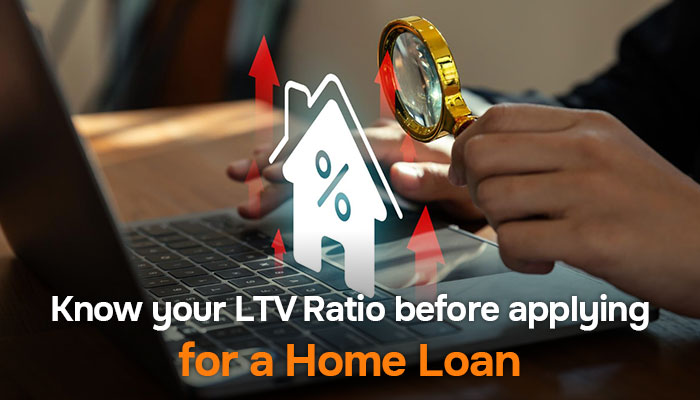
When you apply for a home loan, one of the first things a lender evaluates is your Loan-to-Value (LTV) ratio. This ratio directly affects how much loan you can borrow against the property’s value, the margin you need to contribute, and even the interest rates you are offered.
In simple terms, the LTV ratio shows the percentage of a property’s value that a lender is willing to finance through a loan. The remaining amount is your contribution, often called down payment or own contribution (OCR).
Understanding the LTV meaning in banking is essential because it not only shapes your home loan eligibility but also influences your repayment burden and overall affordability.
Understanding LTV: Full Form & Meaning
The LTV full form is Loan-to-Value ratio.
- It’s a financial metric used by lenders to assess risk.
- A higher LTV ratio means you can borrow a larger share of the property’s cost, while a lower LTV ratio means you need to put in more of your own funds.
- The Reserve Bank of India (RBI) regulates maximum permissible LTV ratios to maintain stability in the housing finance sector.
For example:
- If your property is worth ₹30 lakh and the lender offers you a loan of ₹24 lakh, then your LTV ratio is 24/30 = 80%.
- This means you will need to arrange the remaining ₹6 lakh as your own contribution.
A balanced LTV ensures you don’t over-borrow, and lenders feel more secure as you share financial responsibility.
RBI Guidelines on LTV Ratios
The RBI has capped the maximum LTV ratio that lenders can offer, depending on the property value:
| Property Value | Maximum LTV Ratio Allowed | Minimum Contribution (OCR/Down Payment) |
|---|---|---|
| Up to ₹30 lakh | 90% | 10% |
| ₹30 lakh – ₹75 lakh | 80% | 20% |
| Above ₹75 lakh | 75% | 25% |
This means if you are buying an affordable home under ₹30 lakh, you can get up to 90% of the property cost financed through a home loan. For higher-value homes, the lender’s contribution reduces gradually.
Remember, these are maximum figures, which means lender discretion exists. In other words, the lender can offer up to 90% loan, but the actual LTV will depend upon its policies and other factors. That is why choosing the right lender can make a big difference while trying to secure the ideal LTV for your situation.
How LTV Ratio Impacts Home Loan Eligibility & Interest Rates
LTV’s meaning in banking and its impact go beyond just numbers; it can affect your entire borrowing experience:
1. Loan Sanction Amount
The higher your property value, the more restrictive the LTV becomes. This ensures that you always must make a meaningful contribution to the purchase.
2. Home Loan Interest Rates
Lenders often link risk to LTV. If your LTV is too high, you may be charged a slightly higher home loan interest rate because the lender’s exposure is larger. A lower LTV, where you invest more of your own funds, can make you eligible for better loan terms.
3. EMI Burden
A higher LTV means higher loan amounts and, therefore, larger EMIs. By keeping your LTV lower, you can reduce your EMI and improve repayment comfort.
4. Approval Chances
Borrowers with lower LTV ratios often find quicker approvals since lenders see them as lower-risk candidates.
Tips to Manage Your LTV Ratio Better
If you are applying for a home loan, here are some useful tips to optimise your LTV ratio:
- Increase Your Down Payment: If possible, contribute more than the minimum margin required. This reduces loan size, EMIs, and overall interest burden.
- Choose a Property Within Budget: Avoid stretching beyond your means just because a higher LTV is allowed.
- Maintain a Good Credit Score: Lenders may allow more flexibility if you have a strong repayment record.
- Use Festive Offers Wisely: Many festive home loan offers provide better terms. Planning your purchase in such seasons can help you optimise your LTV and interest savings.
Also Read: Home Loans During Festive Season in India
Why LTV Ratio is Important for Borrowers
In summary, by understanding what the LTV ratio is, you can make smarter decisions while buying your dream home.
- It keeps your borrowing balanced and ensures financial discipline.
- It protects lenders from excessive risk, making affordable housing loans widely available.
- It gives you a clear idea of how much you need to save before purchasing a home.
- It directly impacts affordability, monthly budgeting, and future financial stability.
Tags

Most Read Blogs




Frequently Asked Questions (FAQ’s)
Q1. What is the LTV full form in banking?
Ans:
LTV stands for Loan-to-Value ratio. It is the proportion of the property’s value that a lender agrees to finance through a home loan. For example, if your house costs ₹40 lakh and you get a loan of ₹32 lakh, the LTV ratio is 80%.
Q2. How does the LTV ratio affect my home loan eligibility?
Ans:
Your LTV ratio influences how much loan you can get sanctioned. A higher LTV means you borrow more and invest less, but this may also make lenders cautious. A lower LTV shows higher personal contribution, which improves eligibility and may fetch better home loan interest rates.
Q3. Can I increase the loan amount if my LTV is lower?
Ans:
Yes, if your LTV ratio is lower than the maximum permissible limit, you may request a higher loan amount, provided your income and repayment capacity support it. However, RBI guidelines cap the maximum loan-to-value ratio based on property cost.
Q4. Why does RBI regulate LTV ratios for home loans?
Ans:
The RBI regulates LTV ratios to ensure borrowers don’t take on excessive debt and lenders maintain stability. It prevents risky over-financing and ensures homebuyers contribute a fair share toward their purchase, encouraging responsible lending.
Q5. What are some practical tips to manage LTV while applying for a loan?
Ans:
To manage your LTV effectively, try saving a larger down payment, pick a property within your means, use bonuses or windfalls to reduce the loan amount, and always compare festive home loan offers. Using an EMI calculator before finalising your loan also helps you balance affordability and borrowing.
What can we help you with?

Home Loan

Secured Business Loan

Balance Transfer

Home Improvement Loan

Home Loan for Uniformed Services

NRI Home Loan
Home Loan
Secured Business Loan
Balance Transfer
Home Improvement Loan
Home Loan for Uniformed Services
Get instant support with existing loan related queries

Raise a Request Get instant access to your existing Loan Account with us Raise a Ticket 

Call Helpline Speak with our Customer Support Executive on 1860 267 3000

Visit Nearby Branch You can walk into any of our 300+ branches, spanning across 18 states Get Directions
Our Brands & Subsidiaries


Insurance Partners


HDFC Life Insurance
Learn more
Bajaj Life Insurance
Learn more
ICICI Prudential Life Insurance
Learn more
Go Digit General Insurance
Learn more
Aditya Birla Capital Insurance
Learn more
Bajaj Allianz General Insurance
Learn more


