Login
Login


 Products


 Go Back to blog listing page



Purchasing a property is one of the largest financial decisions you'll ever make. You might have saved some of the money for a down payment, but most people need to get a home loan for the rest. When you apply for a mortgage, you'll frequently hear the term Loan-to-Value (LTV) ratio.
The LTV ratio allows lenders to determine how much they can lend based on the value of the property. Knowing this ratio can help you plan your home purchase and arrange for the required down payment.
What is a Loan-to-Value Ratio?
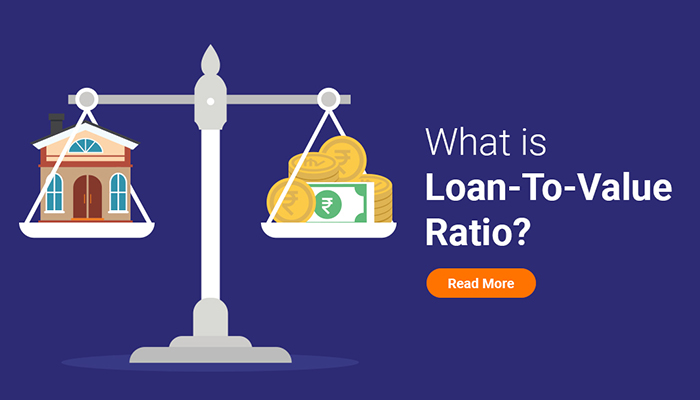
The Loan-to-Value (LTV) ratio is a percentage that shows how much money you are asking the bank to lend you in relation to the total value of the property you are buying. It's basically a statement from the lender on what percentage of the property's price they're covering and what percentage you're paying out of pocket.
This ratio is one indicator of risk for the bank. The higher the LTV, the more of the property's value the bank is lending you and the riskier it is for them. The lower the LTV, the more of your own money you have invested, and the safer the bank feels.
How the LTV Ratio Works
Let's say you get a house for ₹50 lakh. You can't afford to pay it all at once, so you get a loan from a bank. The bank will approve you for a loan of ₹40 lakh, and you will have to pay the remaining ₹10 lakh as the down payment.
LTV ratio is the ratio of the loan amount to the property value. Here, the LTV is 80%. Lenders use this number to determine whether or not to grant you a loan and at what rate to lend to you.
What is the LTV According to the RBI?
In India, the Reserve Bank of India (RBI) sets a cap on how much banks can lend against the value of a property. The idea is to prevent borrowers from taking on more debt than they can handle and to keep banks stable. Typically, the RBI guidelines for LTV ratios on home loans are:
- Loans up to ₹30 lakh: Banks can finance up to 90% of the property value.
- Loans above ₹30 lakh and up to ₹75 lakh: Banks can lend up to 80% of the property value.
- Loans above ₹75 lakh: Banks can lend up to 75% of the property value.
These are the limits. Sometimes banks will offer a lower LTV depending on your credit score, income and the property type.
Also Read: Can You Get a 90% Home Loan? RBI Guidelines and Eligibility Explained
How to Calculate LTV Ratio?
The calculation of the LTV ratio is simple:
LTV Ratio = (Loan Amount ÷ Property Value) × 100
Example:
- Property Price: ₹60,00,000
- Loan Amount: ₹45,00,000
LTV Ratio = (60,00,000 ÷ 45,00,000) × 100 = 75%
In this case, your LTV ratio is 75%.
Significance of the LTV Ratio in Home Loans
Here are a few reasons why the LTV ratio is important:
- Down Payment: This is the minimum amount you need to pay upfront. The higher the LTV, the lower the down payment you'll need; the lower the LTV, the higher the down payment you'll need.
- Interest Rates: Borrowers with a lower LTV ratio are generally offered a slightly better interest rate by lenders, as they are viewed as less risky customers.
- Loan Approval: The bank and the RBI state that the chances of your loan approval are high when your LTV ratio is within the limits.
What is a Good Loan-to-Value Ratio?
There is no perfect number, but generally a lower LTV is preferred. If your LTV is lower, say 60% or 70%, you've made a significant down payment. That lowers your total debt load, decreases the amount of interest you'll pay over the long term, and provides you with more equity (ownership value) in your home from the start.
Tips to Manage Your LTV Ratio
Here are some tips to manage your LTV ratio:
- Increase Your Down Payment: If you can afford to pay more upfront, you will reduce your LTV, which will make your monthly EMI burden lighter.
- Improve Your Credit Score: Even if your LTV is on the high side, having a good credit score might give you more negotiating power with your lender.
- Compare Property Values: The lenders will take the lesser of the market value or the purchase price. Consider how the bank values your property, as that will have an impact on your LTV.
Significance of LTV Ratio in Eligibility
Your income and credit history matter, but the LTV ratio is a hard limit. Even if you have a decent salary, the bank will not go beyond the LTV percentages set by the RBI. This is the first filter your loan application goes through. The bank will probably turn down the loan application if you are unable to bring the down payment necessary to satisfy the LTV requirement.
Conclusion
The loan-to-value ratio is a critical piece of the home-buying puzzle. Knowing how it works will help you better plan your finances and avoid last-minute surprises. This is what helps you afford a comfortable down payment and helps secure your long-term financial health. IIFL Home Loans offers you transparent processes and guidance to help you understand these figures clearly. We will help you make an informed decision for your dream home while you are looking for reliable support for your home ownership journey.